+852 64643584 [email protected]

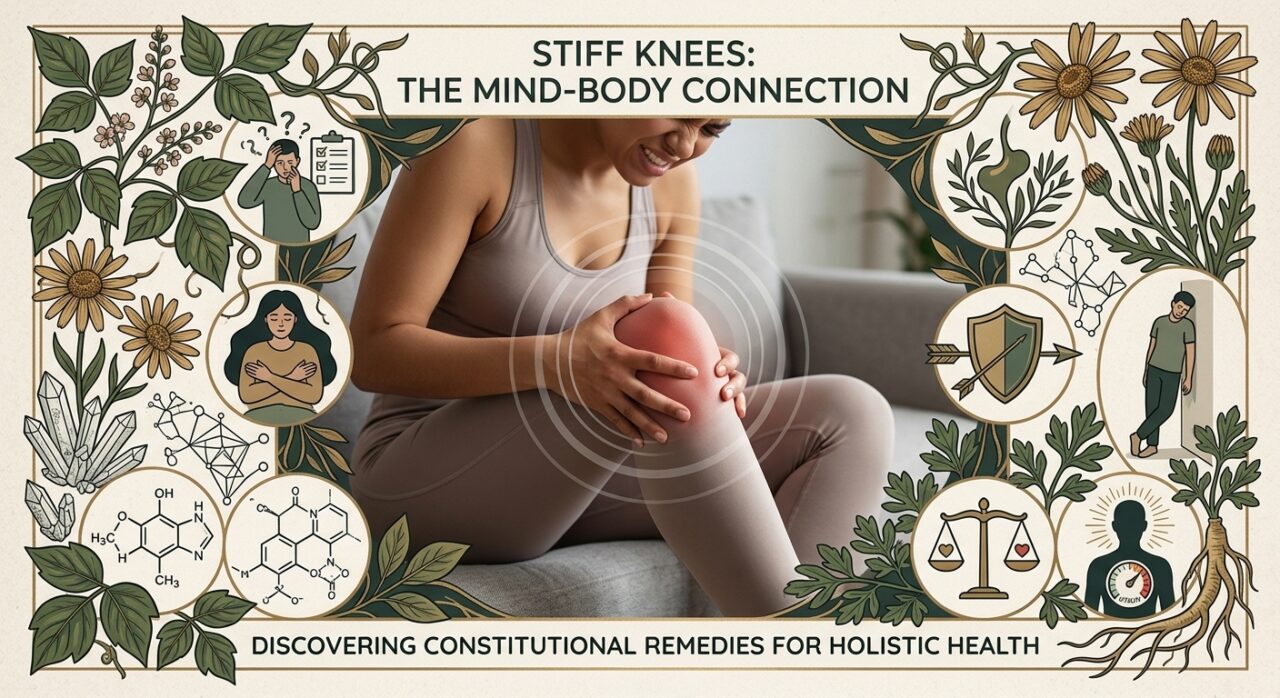
Beyond the Creak: What Your Stiff Knees and Emotions Are Trying to Tell You About Your Health從情緒與體質出發,順勢療法如何由內而外關顧您的膝關節

(中文)

Have you ever noticed how a stressful week can make your body feel physically tighter? Or how a period of grief or worry seems to settle directly into your joints?

In conventional medicine, knee osteoarthritis (OA) is often viewed simply as a wear-and-tear problem—a mechanical breakdown of cartilage accompanied by joint space narrowing, morning stiffness, and that familiar, uncomfortable "clicking" or crepitus. However, homeopathy views these physical changes not as isolated events, but as a reflection of the whole person.

By looking at both your physical joint stiffness and your unique emotional and mental personality, homeopathy aims to identify a constitutional remedy. Finding this remedy is the key to supporting your body’s natural defenses—often described as enhancing your inner vitality and immunity—allowing your system to heal from within.


The Mind-Body Connection: Your Knees and Your Personality

In homeopathy, the mind and body are inseparable. The way you react to stress, your temperament, and your emotional history are considered vital clues. When these mental-emotional states are matched with your physical joint symptoms, it helps homeopaths select a remedy designed for your specific constitution.

Here is how different emotional profiles and mental personalities correspond to the classic knee remedies discussed in recent clinical literature:

1. The Restless Achiever (Rhus toxicodendron)

  • The Physical Symptoms: Severe stiffness and rigidity in the knee joint. The pain is worst upon first starting to move (like getting out of bed) but gradually eases as you keep moving.
  • The Emotional Personality: People who need Rhus tox often exhibit a restless mind. They find it incredibly difficult to sit still or relax, both mentally and physically. When stressed, they may become anxious, continuously pacing or planning, reflecting the physical need to "keep moving" to avoid stiffening up.

2. The Quiet, Irritable Pragmatist (Bryonia alba)

  • The Physical Symptoms: Stitching, sharp joint pain that is severely aggravated by the slightest movement. Relief is found only through complete rest and firm pressure on the joint.
  • The Emotional Personality: The Bryonia profile is practical, business-oriented, and highly values security. When ill or in pain, they become quiet, easily irritated, and strongly prefer to be left entirely alone. Their emotional desire to avoid disturbance mirrors their physical need to remain absolutely still.

3. The Stoic Protector (Arnica montana)

  • The Physical Symptoms: Chronic soreness, joint tenderness, or stiffness that traces back to an old physical injury, fall, or joint trauma.
  • The Emotional Personality: These individuals are incredibly stoic. Even when in severe pain, their default response is often, "I’m fine, please leave me be." They have a strong fear of being touched or approached—both physically (to protect the sore knee) and emotionally (to guard their vulnerability).

4. The Overwhelmed, Hardworking Guardian (Calcarea carbonica)

  • The Physical Symptoms: Cracking, dry-sounding joints with a tendency toward early degeneration, swelling, and coldness in the extremities.
  • The Emotional Personality: Typically suited for individuals who are reliable, hardworking, and highly responsible, but easily feel overwhelmed by pressure or bad news. They have a tendency to worry about their health, the future, and financial security. This mental fatigue and desire for safety often manifest physically as sluggishness and cold, stiff joints.

5. The Empathetic Advocate (Causticum)

  • The Physical Symptoms: Chronic rheumatic stiffness with a progressive loss of muscular strength around the knees, accompanied by burning pains and noisy cracking.
  • The Emotional Personality: Those who benefit from Causticum are deeply compassionate individuals who feel the suffering of others acutely. They are often advocates for justice and can become deeply affected by long-standing grief or witnessing unfairness. This emotional rigidity and intensity can mirror the physical stiffness and contractures in their muscles and tendons.

6. The Anxious Strainer (Ruta graveolens)

  • The Physical Symptoms: A deep, bruised pain in the knee, particularly affecting the tendons and ligaments, with a sensation as if the joint is sprained or dislocated.
  • The Emotional Personality: Individuals requiring Ruta often carry a sense of chronic anxiety and dissatisfaction. They can feel constantly strained, overworked, or physically and mentally exhausted, which reflects directly in the strained, bruised sensation within their ligaments and joint linings.

Supporting Your Inner Immunity and Vitality

Why is finding a constitutional remedy so important?

Homeopathy operates on the principle of stimulating the body's self-healing mechanisms. When a remedy addresses both the physical pathology of osteoarthritis and your unique mental-emotional temperament, it acts as a gentle catalyst.

By supporting your system at this fundamental level, homeopathy aims to:

  • Strengthen your overall vitality (often referred to as constitutional immunity).
  • Reduce the frequency and severity of joint inflammation flare-ups.
  • Improve joint mobility and physical resilience over time.

Instead of temporarily suppressing joint pain, constitutional care seeks to restore balance to your entire system, helping you regain comfort and mobility in a gentle, sustainable way.

Note: Osteoarthritis is a progressive condition. Homeopathy is best utilized as a supportive, complementary approach alongside gentle exercise, weight management, and consultation with qualified healthcare professionals.


擺脫關節僵硬:從情緒與體質出發,順勢療法如何由內而外關顧您的膝關節

您有沒有注意到,每逢壓力沉重的一周,身體也會隨之變得緊繃?又或者,當您陷入憂慮或悲傷時,關節似乎特別容易酸痛不適?

在主流醫學(西醫)中,膝關節退化(退化性關節炎)通常被視為單純的關節磨損問題——主要表現為軟骨逐漸磨損、關節間隙變窄、晨起關節僵硬,以及活動時發出常見的「咔咔」摩擦音(關節摩擦音)。然而,順勢療法(Homeopathy)認為,這些身體上的病變並非孤立發生,而是整個人體健康狀況的縮影。

透過觀察您的膝關節僵硬症狀,並結合您獨特的情緒、思想與性格特徵,順勢療法旨在為您找出最切合個人需要的**「體質處方」(Constitutional Remedy)**。這正是激發身體自我療癒力、提升內在免疫與防禦機制、令身體由內而外逐步康復的關鍵所在。


身心相連:膝關節與性格密碼

在順勢療法的理念中,身心是密不可分的。您面對壓力時的反應、脾氣性格以及情緒經歷,都是處方的重要線索。當這些精神與情緒狀態與您的關節症狀吻合時,便能更準確地挑選出最適合您體質的療劑。

以下是臨床文獻中常用的幾種膝關節療劑,與不同情緒及性格特徵的對應關係:

1. 停不下來的焦慮者 (Rhus toxicodendron / 毒漆藤)

  • 身體症狀: 膝關節極度僵硬、緊繃。在停止活動一段時間後(如早上起床時)關節最為疼痛,但隨著持續溫和的活動,痛楚和僵硬感會逐漸減輕。
  • 情緒與性格: 適合此療劑的人通常內心感到焦慮、難以安頓。不論在生理還是心理上,他們都覺得很難靜下來休息。當面對壓力時,他們會變得焦慮不安,甚至會不停踱步或規劃事情,這正對應了身體「必須持續活動以防關節僵硬」的特點。

2. 怕受干擾的務實主義者 (Bryonia alba / 瀉根)

  • 身體症狀: 關節出現尖銳、針刺般的疼痛,稍微活動就會令痛楚加劇。只有在完全靜止休息,或對患處施加硬物按壓時,疼痛才會有所緩解。
  • 情緒與性格: 適合此療劑的人性格務實、重視條理與安全感。每當生病或身體不適時,他們會變得沉默、容易暴躁,極度渴望獨處,不想受到任何打擾。這種精神上拒絕受干擾的狀態,恰好與他們身體上「需要完全靜止、抗拒活動」的表現一致。

3. 堅忍的自我防禦者 (Arnica montana / 山金車)

  • 身體症狀: 關節長期酸痛、僵硬,並帶有顯著的壓痛感。這些症狀往往源於陳舊性的物理創傷、跌傷或關節受損歷史。
  • 情緒與性格: 這類人性格極為堅忍。即使身處劇痛之中,他們也常掛著一句:「我沒事,不用管我。」他們非常害怕別人觸碰或靠近自己——這既是為了保護酸痛的膝蓋不被碰撞(生理防禦),也是為了掩飾內心的脆弱(心理防禦)。

4. 容易焦慮疲憊的守護者 (Calcarea carbonica / 碳酸鈣)

  • 身體症狀: 關節活動時發出乾澀的「咔咔」聲,有早期退化、腫脹的傾向,且經常感到四肢冰冷。
  • 情緒與性格: 此體質多見於做事認真盡責、可靠且勤奮的人,但他們在面對壓力和負面消息時容易感到吃力與不堪重負。他們經常為健康、前途或經濟保障感到憂慮。這種心理上的疲累和對安全感的渴求,往往在身體上轉化為代謝遲緩、關節冰冷與僵硬。

5. 富同理心的正義捍衛者 (Causticum / 苛性鈉)

  • 身體症狀: 慢性風濕性僵硬,膝關節周邊的肌力逐漸流失,並伴隨燒灼般的疼痛與顯著的關節摩擦音。
  • 情緒與性格: 適合此療劑的人心思極為細膩,極具同理心,對別人的痛苦感同身受。他們通常非常重視社會公義,若長期處於悲傷中,或目睹不公義的事情,情緒會大受打擊。這種精神上的執著與剛烈,往往會反映在身體肌肉與肌腱的僵硬與緊縮上。

6. 身心緊繃的憂慮者 (Ruta graveolens / 芸香)

  • 身體症狀: 膝關節深處出現酸痛及瘀傷感,尤其是肌腱和韌帶部位,感覺關節像被扭傷或脫臼一般。
  • 情緒與性格: 需要此療劑的人往往長期處於焦慮和不滿的狀態中。他們常感到自己心力交瘁、過度勞累,這種心理上的過度拉扯與緊繃,直接呈現在關節韌帶和滑膜部位那種如扭傷般的痛楚中。

提升內在免疫與生命力

為什麼尋找「體質處方」如此重要?

順勢療法的核心原理,在於激發人體與生俱來的自我療癒機制。當處方能同時關顧膝關節的生理病變,以及您獨特的心理與情緒特徵時,它就像一個溫和的催化劑,發揮整體平衡的作用。

透過從根本調理身體,順勢療法旨在:

  • 增強整體的生命力(即中醫或自然療法常說的「體質免疫力」)。
  • 減少關節發炎及急性腫痛的頻率與嚴重程度。
  • 長遠改善關節的活動幅度,提升身體的活動彈性。

constitutional care(體質調理)的目的並非單純暫時壓制關節痛楚,而是希望幫助您的整體系統重建平衡,讓您以溫和、可持續的方式重拾關節的靈活與舒適。

備註:關節退化乃屬漸進性的生理退化。順勢療法作為一種溫和的輔助性療法,建議配合適量運動、體重控制,並諮詢合資格的醫療專業人員,以達致最佳的關節保護效果。

International Journal of Homoeopathic Sciences 2026; 10(6): 11-14
Role of homoeopathy in management of knee osteoarthritis
https://www.homoeopathicjournal.com/articles/2818/10-6-1-300.pdf

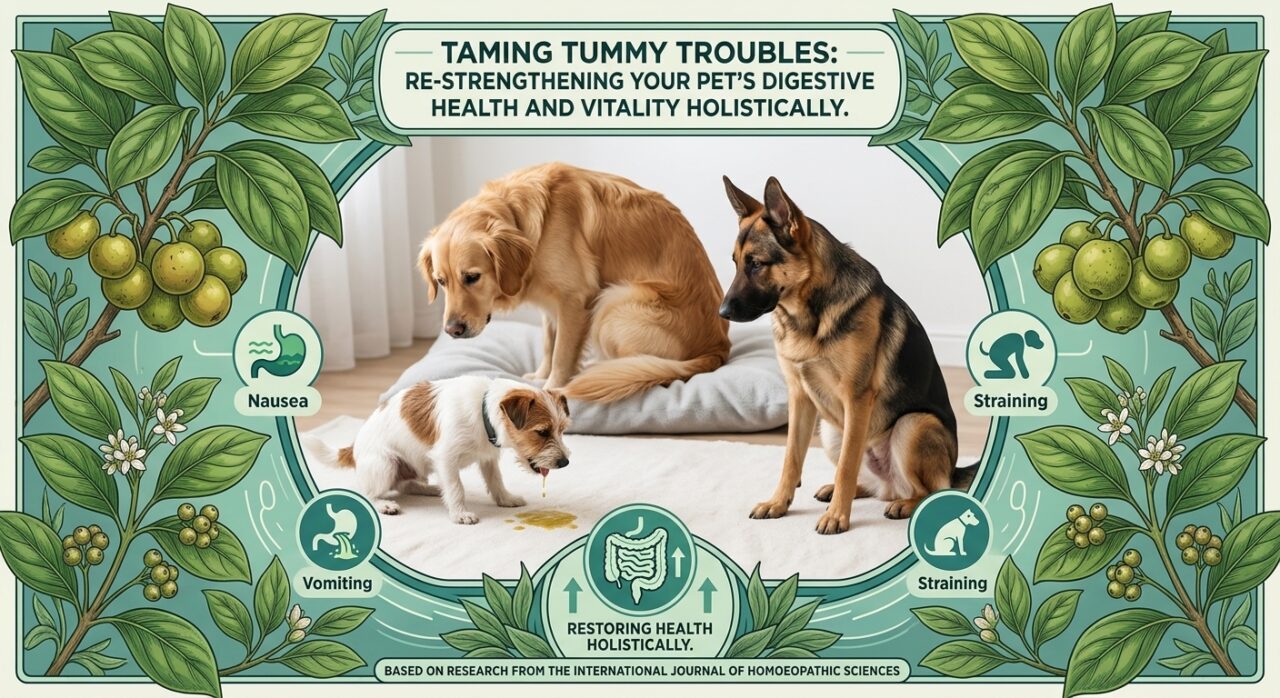
Taming Tummy Troubles: How Homeopathy Restores Your Pet’s Digestive Health and Vitality Holistically如何透過順勢療法全方位調理狗隻腸胃炎與提升免疫力

(中文)

Every pet owner knows the sudden wave of anxiety that hits when a beloved dog starts vomiting or suffering from acute diarrhea. Known clinically as acute gastroenteritis, these sudden digestive upsets can leave our pets feeling weak, dehydrated, and deeply uncomfortable.

While conventional veterinary medicine focuses on suppressing symptoms with antiemetics or antibiotics, homeopathy offers a different pathway. It is a gentle, therapeutic approach that aims to restore balance to the animal's entire system. By looking at the physical symptoms alongside the pet's unique emotional state, behavior, and personality, homeopathy helps activate the body’s innate self-healing mechanisms.


The Clinical Evidence: A Closer Look at the Research

A clinical study published in the International Journal of Homoeopathic Sciences (2017) by veterinary researcher Bala Krishna Rao Dabbir highlighted the potential of homeopathic remedies in managing canine digestive crises.

The study followed 34 dogs presenting with acute gastroenteritis. They were treated with two specific homeopathic remedies, administered alternately every 30 minutes during the acute phase:

  1. Nux vomica CH 200
  2. Ipecacuanha CH 200

The Results: Out of 34 dogs, 33 recovered. One dog, who arrived at the clinic in a highly critical, severely dehydrated state, did not survive—a reminder that while holistic options are supportive, severe dehydration always requires immediate emergency fluid therapy.

Crucially, the researcher observed that during acute vomiting, dogs rejected conventional oral fluids and medications, yet easily accepted the tiny, non-invasive homeopathic administrations. Once the acute vomiting was managed, the dogs became receptive to oral rehydration and a bland diet, leading to a smooth recovery.


The Holistic Difference: Matching Remedies to Your Pet's Personality

Homeopathy is highly individualized. Two dogs can have the exact same physical symptom—vomiting—but may require completely different remedies based on their temperament, emotional reactions, and constitutional makeup.

Here is how the remedies used in the clinical study relate to distinct pet personalities and emotional states:

1. The Nux vomica Pet: The Irritable, Chilly Overachiever

  • Personality & Mind: These pets are typically intense, independent, and easily irritated. When healthy, they may be highly driven, protective, or even a bit stubborn. When sick, they do not want to be coddled. They prefer to be left alone and can become grumpy or sensitive to touch, loud noises, and bright lights.
  • Physical & Emotional Clues: They are highly sensitive to the cold and will seek out the warmest spot in the house, burying themselves under blankets. Their digestive issues often stem from dietary indiscretion (stealing garbage or overeating) or stress. They may experience dry heaving, tense abdominal muscles, and painful, unsuccessful straining to pass stool.

2. The Ipecacuanha Pet: The Miserable, Distressed Patient

  • Personality & Mind: These pets become visibly miserable and restless when ill. Unlike the irritable Nux vomica dog, the Ipecacuanha pet is dominated by constant, unrelenting discomfort. They are anxious because nothing they do brings relief.
  • Physical & Emotional Clues: The defining feature is constant, severe nausea that is not relieved even after vomiting. You will often see them drooling excessively or constantly swallowing. Despite the heavy vomiting, their tongue usually remains clean and pink, rather than coated.

The Homeopathic Detective: How to Observe Your Pet

To find the right remedy—especially a constitutional remedy that works on a deeper level to strengthen your pet's overall immune system—you must become an observer of your pet’s unique expressions.

When your pet is unwell, observe the following:

  • The Emotional Shift: Does your pet become unusually clingy and demand constant reassurance (often pointing to remedies like Pulsatilla)? Or do they hide under the bed and avoid contact (pointing toward Nux vomica or Bryonia)?
  • Temperature and Environment: Do they seek cool tiles and fresh air, or do they shiver and look for warmth?
  • Thirst Patterns: Are they intensely thirsty for large quantities of cold water, or are they completely thirstless despite being dehydrated?
  • General Personality: Is your pet naturally fearful, anxious, confident, or territorial?

Constitutional Prescribing: The Key to Long-Term Immunity

While remedies like Nux vomica and Ipecacuanha are invaluable for managing acute "tummy troubles," the true goal of veterinary homeopathy is to identify your pet's constitutional remedy.

A constitutional remedy is selected based on your pet’s baseline personality, lifetime health history, physical makeup, and emotional tendencies. Rather than just patching up a temporary stomach upset, finding and administering this constitutional remedy helps:

  1. Strengthen the Immune System: It gently stimulates the body's natural defenses, making your pet less susceptible to viral and bacterial infections.
  2. Improve Digestive Resilience: It balances gut health, helping pets who suffer from chronic "sensitive stomachs" process food more efficiently.
  3. Restore Emotional Balance: It can help reduce underlying anxiety, fear, or aggression, which are often linked to chronic physical ailments.

A Balanced Approach to Pet Wellness

Integrating homeopathy into your pet's healthcare routine offers a gentle way to support their natural healing capacity. When addressing acute digestive issues, it is always important to work alongside a qualified veterinarian to ensure your pet remains properly hydrated and receives comprehensive, balanced care. By observing the subtle language of your pet's mind, emotions, and physical body, you can unlock a deeper level of health and vitality for your companion.


如何透過順勢療法全方位調理狗隻腸胃炎與提升免疫力

每位寵物飼主都深有體會:當心愛的狗狗突然開始嘔吐或出現急性肚瀉(拉肚子)時,那股焦慮感總是油然而生。在臨床上,這被稱為「急性腸胃炎」。這些突發性的消化系統問題,往往會讓寵物顯得虛弱無力、脫水,且身體極度不適。

雖然傳統西醫治療主要著重於利用止吐藥或抗生素來抑制症狀,但順勢療法(Homeopathy)提供了另一條溫和的調理路徑。這是一種整全性(Holistic)的治療方法,旨在恢復動物整體系統的平衡。藉由觀察寵物的身體症狀,並結合其獨特的精神情緒、行為與性格特質,順勢療法能啟動身體固有的自癒機制。


臨床文獻支持:深入探討學術研究

發表於《國際順勢醫學科學期刊》(International Journal of Homoeopathic Sciences,2017年)中,由獸醫研究員 Bala Krishna Rao Dabbir 撰寫的一項臨床研究,探討了順勢療法在處理犬隻急性消化道危機時的輔助作用。

該研究追蹤了 34 隻患有急性腸胃炎的犬隻。在急性發病期,研究人員每 30 分鐘交替為牠們投予以下兩種特定的順勢製劑:

  1. 馬錢子(Nux vomica)CH 200
  2. 吐根(Ipecacuanha)CH 200

研究結果: 在 34 隻犬隻中,有 33 隻順利康復。其中僅有一隻在送醫時已處於極度危重、嚴重脫水狀態的犬隻未能存活。這提醒了飼主,雖然順勢療法能提供良好的支持,但重度脫水時,依然必須立刻進行常規的靜脈輸液(打點滴)等緊急救治。

值得注意的是,研究員指出,在急性嘔吐期間,犬隻通常會排斥口服常規液體或西藥,甚至一吃即吐;相反地,牠們對微小、無侵入性的順勢療法顆粒或滴劑接受度極高。當急性嘔吐得到初步控制後,狗狗便能逐步接受口服補液及清淡飲食,從而順利康復。


整全療法的核心:根據寵物的性格與情緒配對製劑

順勢療法高度重視個體差異。即使兩隻狗出現完全相同的物理症狀(如嘔吐),但因應牠們的性情、情緒反應及體質差異,所需的調理製劑可能會截然不同。

以下說明上述臨床研究中使用的兩種製劑,分別對應哪些獨特的寵物性格與情緒狀態:

1. 馬錢子(Nux vomica)型寵物:焦躁、怕冷、不妥協的強勢者

  • 性格與心智: 這類寵物通常精力充沛、獨立,且容易顯得不耐煩或焦躁。在健康時,牠們可能非常有主見、具保護性,甚至帶點固執。生病時,牠們不喜歡被過度打擾或安撫,反而喜歡獨自躲在安靜的角落,並對觸碰、噪音和強光變得異常敏感。
  • 身體與情緒線索: 牠們非常怕冷,會主動尋找家中最溫暖的地方,甚至鑽進被窩裡。牠們的腸胃問題往往源於「飲食不當」(如偷吃垃圾、暴飲暴食)或壓力。症狀上常見乾嘔、腹部肌肉緊繃,並頻繁出現欲排便卻排不出的痛苦掙扎。

2. 吐根(Ipecacuanha)型寵物:極度痛苦、煩躁不安的病患

  • 性格與心智: 這類寵物在生病時會顯得無比沮喪與焦躁不安。與脾氣暴躁的「馬錢子型」不同,「吐根型」寵物整天都沉浸在持續、無法緩解的極度不適中。牠們會因為任何姿勢或舉動都無法減輕痛苦而感到焦慮。
  • 身體與情緒線索: 最顯著的特徵是持續且嚴重的噁心感,即使嘔吐過後也完全無法得到舒緩。您會經常看到牠們過度流口水或不斷做出吞嚥動作。儘管頻繁嘔吐,牠們的舌頭通常依然保持乾淨、呈現健康的粉紅色,而不會有厚重的舌苔。

成為「順勢偵探」:如何細心觀察您的寵物

要找到最合適的調理製劑——尤其是能從深層提升寵物整體免疫力的**「體質固有處方」(Constitutional Remedy)**——飼主必須學會細心觀察寵物的獨特表現。

當您的寵物身體不適時,請留意以下細節:

  • 情緒轉變: 寵物生病時是變得異常黏人、需要不斷撫摸安慰(這通常指向 Pulsatilla 等製劑),還是選擇躲在床底下拒絕與人接觸(指向 Nux vomica 或 Bryonia)?
  • 溫度與環境偏好: 牠們是喜歡躺在冰涼的地磚上吸新鮮空氣,還是不停顫抖、尋求溫暖?
  • 飲水習慣: 牠們是非常渴望大口喝冰水,還是即便已經出現脫水跡象,卻依然完全不想喝水?
  • 先天性格: 寵物日常的性格是偏向膽小焦慮、自信、還是地盤意識極強?

尋找「體質製劑」:提升長遠免疫力的關鍵

雖然像馬錢子和吐根這樣的製劑在應對急性「腸胃不適」時效果顯著,但獸醫順勢療法的終極目標,是為您的寵物找出其專屬的**「體質固有處方」**。

體質固有處方是根據寵物的先天性格、過往病史、身體構造以及情緒傾向進行全方位評估後選出的。這不僅僅是為了應對暫時性的腸胃不適,更能從根本上達到以下效果:

  1. 強化免疫系統: 溫和地激發身體的自然防禦機制,降低寵物受到病毒與細菌感染的機率。
  2. 提升腸胃韌性: 調理腸道健康,幫助長期患有「敏感腸胃」的寵物更有效地消化與吸收營養。
  3. 恢復情緒平衡: 幫助減輕寵物潛在的焦慮、恐懼或易怒情緒,而這些心理因素往往與慢性身體疾病息息相關。

兼顧傳統與整全的理性照護

將順勢療法納入寵物的日常健康護理,能以溫和的方式支持其身體的自癒能力。在面對急性消化道問題時,飼主應與專業獸醫合作,確保寵物獲得足夠的補液支持與全面照護。透過細心解讀寵物心智、情緒與身體的微妙語言,您將能為愛寵開啟更深層次的健康與活力。

Homeopathic treatment of acute gastro-enteritis in dogs
https://www.homoeopathicjournal.com/articles/6/1-1-7-101.pdf

A Holistic Path: Understanding Menstrual Health through Constitutional Homeopathy順勢療法的整合調理:從體質與情緒探討月經失調

(中文)

For many women, menstrual disorders—ranging from painful cramps (dysmenorrhea) and irregular cycles to premenstrual syndrome (PMS)—are treated as isolated physical inconveniences. Traditional management often relies on hormonal interventions to manage symptoms. However, homeopathy views these symptoms not as localized malfunctions, but as external signs of an internal imbalance.

By focusing on the individual’s unique mental, emotional, and physical constitution, homeopathy seeks to stimulate the body's self-regulating mechanisms. Addressing the root cause rather than suppressing symptoms helps restore overall vitality and support the body's natural defense systems.


The Mind-Body Connection and Immunity in Homeopathy

In homeopathy, health is seen as a state of dynamic balance. The mental and emotional states of an individual are considered deeply intertwined with physical health. Chronic stress, suppressed emotions, and personality traits can influence the endocrine system, which regulates the menstrual cycle.

A "constitutional remedy" is a single homeopathic medicine selected to match the overall profile of the individual, including their physical symptoms, emotional patterns, temperament, and general sensitivities. When the correct constitutional remedy is administered, it acts as a gentle catalyst. Rather than overriding the body's chemistry, it encourages the vital force—often understood in modern terms as the immune and self-regulatory systems—to return to balance. This inner balance is key to resolving chronic menstrual issues and improving overall resilience.


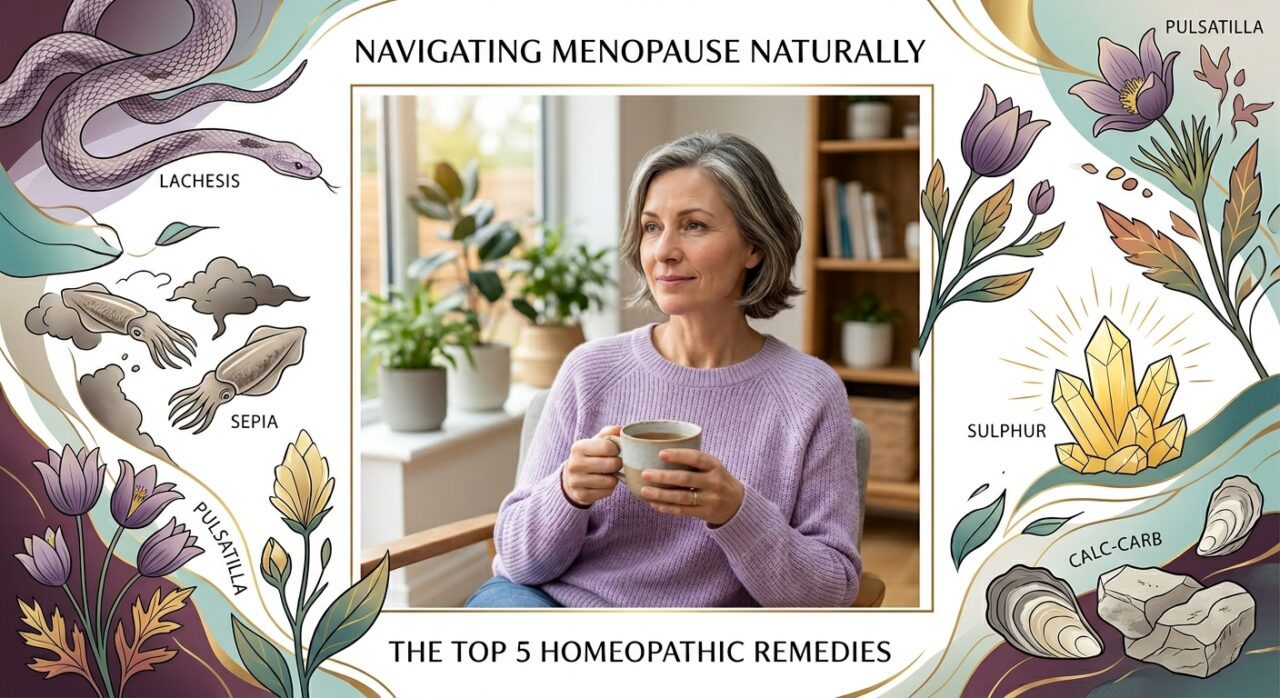
Top 5 Homeopathic Remedies for Menstrual Disorders

Below are five commonly used constitutional remedies for menstrual issues, selected based on specific emotional profiles and physical expressions.

1. Pulsatilla (Wind Flower)

  • The Personality Profile: Individuals who respond well to Pulsatilla are often gentle, mild-tempered, and emotionally sensitive. They may weep easily, seek comfort, and feel significantly better when receiving sympathy or being in the company of loved ones. They are generally warm-blooded but prefer open, fresh air.
  • Menstrual Symptoms: Menstruation is often unpredictable, late, or changeable in flow (light one day, heavy the next). Pain is often accompanied by chilliness.
  • How it Helps: It supports the emotional system to feel more grounded while encouraging a more regular and harmonious menstrual rhythm.

2. Sepia (Cuttlefish Ink)

  • The Personality Profile: The Sepia profile is characterized by physical and emotional exhaustion. These individuals may feel overwhelmed by family responsibilities, leading to irritability or an unusual indifference toward loved ones. They often feel better after vigorous exercise, such as dancing or jogging.
  • Menstrual Symptoms: Cycles may be irregular, with a characteristic "bearing-down" sensation in the pelvic region, as if the organs need support. Menstrual flow can be scanty or accompanied by profound fatigue and lower back pain.
  • How it Helps: It helps revitalize energy levels, eases pelvic congestion, and assists in balancing the emotional strain associated with exhaustion.

3. Lachesis (Bushmaster Snake Venom)

  • The Personality Profile: Lachesis individuals are often intense, passionate, and highly loquacious (talkative). They may experience intense emotions such as jealousy, suspicion, or anxiety. They are highly sensitive to restriction, physically and emotionally, and cannot tolerate tight clothing around the neck or waist.
  • Menstrual Symptoms: Symptoms, including PMS, irritability, and headaches, are typically worse before the flow begins and find significant relief once the menstrual discharge starts. The flow is often dark or clotted.
  • How it Helps: It aids in relieving the physical and emotional congestion that builds up prior to menstruation, facilitating a smoother transition throughout the cycle.

4. Natrum Muriaticum (Sodium Chloride/Sea Salt)

  • The Personality Profile: Individuals requiring Natrum Muriaticum are often reserved, highly responsible, and prone to keeping their grief or sadness to themselves. They dislike being consoled when upset and may dwell on past unpleasant events. They often have a strong craving for salt and are sensitive to the sun.
  • Menstrual Symptoms: Menstruation may be irregular or suppressed altogether due to emotional distress or grief. PMS is often accompanied by migraines, fluid retention, or dry skin and chapped lips.
  • How it Helps: It assists the body in processing emotional blockages and grief, which in turn helps regulate fluid balance and restore a natural menstrual cycle.

5. Calcarea Carbonica (Calcium Carbonate from Oyster Shell)

  • The Personality Profile: The Calcarea Carbonica individual is typically hardworking, responsible, and practical, but prone to anxiety about the future and easily overwhelmed by stress. Physically, they tend to be chilly, sweat easily (especially on the head at night), and may feel sluggish.
  • Menstrual Symptoms: Menstrual cycles tend to be too early, too profuse (heavy bleeding), and last for too many days. This is often accompanied by breast tenderness, cold damp feet, and fatigue before the cycle.
  • How it Helps: It supports metabolic processes and eases the physical strain of heavy bleeding, helping to stabilize both energy levels and the menstrual cycle.

Guidance for a Holistic Journey

Homeopathy aims to address the individual as a whole, acknowledging that physical symptoms are often closely linked to our emotional well-being. Because constitutional prescribing requires a deep understanding of an individual's unique history and temperament, consulting a qualified homeopathic practitioner is recommended to find the remedy best suited to your needs. This individualized care, alongside supportive lifestyle choices, works to encourage the body's natural healing capacity and promote long-term vitality.


順勢療法的整合調理:從體質與情緒探討月經失調

對許多女性而言,月經失調(不論是痛經、經期不規律,還是經前綜合症 PMS)往往被視為單純的局部生理問題,常見的應對方法多為使用荷爾蒙藥物來緩解症狀。然而,順勢療法(Homeopathy)認為這些症狀並非局部的功能障礙,而是身體內部失衡的外在顯現。

順勢療法著重於個體獨特的心智、情緒與身體體質。透過針對病因而非單純壓制症狀,這種療法旨在激發身體的自我調節機制,恢復整體的生命力,並支持身體天然的防禦與自癒系統。


心身連結與順勢療法中的自癒力

在順勢療法的觀點中,健康是一種動態平衡的狀態。個體的心理與情緒狀態與身體健康有著深切的聯繫。慢性壓力、壓抑的情緒和性格特徵,皆可能影響調控月經週期的內分泌系統。

「體質處方」(Constitutional Remedy)是根據個人整體特質(包括生理症狀、情緒模式、性格及對環境的敏感度)而選擇的單一順勢療法的藥物。當合適的體質處方發揮作用時,它能如同溫和的催化劑一般,激發人體的自癒力(在現代醫學中常理解為免疫與自我調節系統)恢復平衡,而非以外力取代身體自身的生化運作。這種內在平衡的重建,是調理慢性月經問題與提升整體防禦力的關鍵。


五大調理月經失調的順勢療法藥物

以下為五種常用於調理月經問題的體質藥物,分別對應特定的情緒特質與生理表現:

1. 白頭翁 (Pulsatilla)

  • 性格特質: 適合此藥物的人通常溫和、柔順且情感細膩。她們容易流淚、渴望得到安慰,並在獲得同理或有親友陪伴時感到明顯好轉。她們體質通常偏熱,但非常喜歡戶外新鮮空氣。
  • 經期症狀: 月經週期往往難以預測、延遲,且經血量多變(如一天極少,隔天卻變多)。經痛時通常伴隨怕冷畏寒。
  • 調理方向: 幫助穩定情緒起伏,同時協助身體建立規律且和諧的月經週期。

2. 墨魚汁 (Sepia)

  • 性格特質: 典型特徵為身體與精神上的極度疲憊。她們可能因承擔過多的家庭或工作責任而感到不堪重負,進而變得易怒,甚至對親近的人表現出冷漠。通常在進行劇烈運動(如跳舞或慢跑)後,她們會感到精力有所恢復。
  • 經期症狀: 經期不規律,盆腔部位常有明顯的「下墜感」,彷彿器官需要支撐。經血量可能偏少,並伴隨嚴重的疲倦感與腰酸。
  • 調理方向: 有助於恢復精力,緩解骨盆腔充血情況,並協助舒緩因過度疲勞引起的情緒壓力。

3. 西藪蝮蛇毒 (Lachesis)

  • 性格特質: 這類女性通常精力充沛、情感強烈且能言善辯。她們容易產生嫉妒、猜疑或焦慮等強烈情緒。她們對任何身體或心理上的束縛都極為敏感,無法忍受衣領或腰帶過緊。
  • 經期症狀: 所有的經前症狀(包括經前緊張、易怒和頭痛)在月經來潮前最為嚴重,而一旦經血開始流出,症狀便會顯著減輕。經血顏色通常偏深或含有血塊。
  • 調理方向: 協助釋放經前累積的生理與心理壓迫感,令經期過程更為順暢。

4. 氯化鈉/岩鹽 (Natrum Muriaticum)

  • 性格特質: 適合此藥物的人性格內斂、極具責任感,習慣將悲傷或委屈藏在心底。她們不喜歡在難過時受到旁人安慰,容易沉溺於往事。此外,她們通常偏愛鹹食,且對陽光較為敏感。
  • 經期症狀: 經期可能因情緒受挫或悲傷而變得不規律甚至停經。經多伴隨偏頭痛、水腫、皮膚乾燥或嘴唇乾裂。
  • 調理方向: 幫助身體調適深層的情緒積壓,進而調節體內水分平衡,促進月經週期回歸自然節律。

5. 碳酸鈣/牡蠣殼 (Calcarea Carbonica)

  • 性格特質: 這類女性通常勤奮、務實且富有責任感,但容易對未來感到焦慮,面對壓力時易產生無力感。在體質上,她們較為怕冷、容易出汗(尤其是夜間頭部出汗),且新陳代謝可能較為緩慢。
  • 經期症狀: 月經週期通常過早出現、經血量過多(經崩),且經期持續時間過長。經前常伴有乳房脹痛、手腳冰冷潮濕及疲倦感。
  • 調理方向: 支持新陳代謝,減輕因經血過多帶來的生理負擔,協助穩定體能與經期規律。

溫馨提示

順勢療法旨在從整體出發看待人體,理解生理症狀與情緒狀態之間有著密切的關聯。由於體質調理需要深入了解個人的生活史與獨特特質,建議諮詢專業的順勢療法諮詢師,以尋求最切合個人需要的調理方案。透過個體化的調理,配合健康的生活方式,將有助於激發身體的天然療癒潛能,重建長遠的健康與活力。

順勢療法長者調理與性格觀察:改善老人情緒,提升自癒力 Homeopathic immunity Elderly Care

(中文)

As our loved ones age, their bodies undergo natural physiological changes. While conventional medicine is often necessary to manage acute and chronic conditions, holistic approaches like homeopathy can offer supportive care. Homeopathy does not merely target isolated symptoms; instead, it views the individual as an integrated whole, where physical ailments are closely linked to emotional states, mental personality, and overall vitality.

In homeopathy, the goal is to identify a constitutional remedy—a single remedy that matches the person's unique physical, mental, and emotional makeup. By addressing the root susceptibility of the individual, constitutional care aims to support the body’s self-regulatory mechanisms (often referred to as the vital force) and gently bolster immunity.

For family members and caretakers, learning how to observe these subtle mental and emotional shifts is key to helping a homeopath find the most suitable remedy.


Understanding the Connection: Top 5 Elderly Diseases and Associated Personality Profiles

Here is how five common age-related conditions can manifest differently depending on an individual’s emotional and mental personality.

1. Osteoarthritis and Joint Pain

Chronic pain and stiffness can significantly impact mobility and independence. In homeopathy, the presentation of joint pain is often linked to the patient’s mental reaction to their limitation.

  • The Restless / Anxious Profile: Some elderly individuals become highly restless. They feel anxious about losing their mobility and find temporary relief from pain only when they keep moving, despite the discomfort. They may fear cold, damp weather, which visibly worsens their stiffness. (Homeopathic association: Rhus Toxicodendron)
  • The Irritable / Quiet Profile: Others become irritable, demanding to be left alone. Any movement, even slight, worsens their pain, making them prefer to sit completely still in a quiet room. (Homeopathic association: Bryonia)

2. Hypertension (High Blood Pressure)

Hypertension is often influenced by stress, lifestyle, and coping mechanisms.

  • The Driven / Type-A Profile: This individual is often highly ambitious, easily angered by delays, and impatient. They may overindulge in rich foods or stimulants and struggle to wind down, carrying a high level of mental tension. (Homeopathic association: Nux Vomica)
  • The Suppressed / Sensitive Profile: This individual may have experienced deep grief or long-term stress but chooses to suffer in silence, keeping their emotions bottled up. They may be highly sensitive to noise and light, and their blood pressure rises with emotional distress. (Homeopathic association: Natrum Muriaticum)

3. Insomnia and Sleep Disturbances

Sleep patterns naturally change with age, but chronic insomnia often stems from unresolved mental activity.

  • The Overactive Mind Profile: Some seniors lie awake not from pain, but because their mind is flooded with ideas, memories, or future plans. They are often highly creative or sensitive individuals who cannot "switch off" their thoughts. (Homeopathic association: Coffea Cruda)
  • The Anxious Worrier Profile: Others struggle to sleep due to anxiety about their health, finances, or the safety of family members. They may feel particularly anxious after midnight and require reassurance or a nightlight. (Homeopathic association: Arsenicum Album)

4. Chronic Digestive Issues (e.g., Constipation, Indigestion)

The digestive system often slows down with age, but mental attitudes towards control and insecurity can reflect in physical digestion.

  • The Insecure / Apprehensive Profile: This individual may worry about new situations or changes in routine, displaying a lack of self-confidence, though they might mask this with a domineering attitude at home. They often experience bloating, gas, and digestive discomfort, particularly in the late afternoon. (Homeopathic association: Lycopodium)
  • The Sluggish / Inactive Profile: This profile presents with a general sluggishness of both mind and body. They may be physically inactive, prefer warm drinks, and experience chronic constipation with little to no urge to pass stool. (Homeopathic association: Alumina)

5. Mild Cognitive Decline and Memory Issues

Cognitive changes can be distressing for both the elderly individual and their family.

  • The Dependent / Timid Profile: Some seniors regression-like behavior, becoming shy, indecisive, and highly dependent on others for simple tasks. They may lose confidence in their ability to navigate familiar places. (Homeopathic association: Baryta Carbonica)
  • The Apathetic / Exhausted Profile: Others react to cognitive decline by becoming indifferent to their surroundings or loved ones. This often follows a period of deep grief, emotional shock, or physical overexertion, leading to mental fatigue. (Homeopathic association: Phosphoric Acid)

A Caregiver’s Guide: How to Observe for a Constitutional Remedy

To help a professional homeopath select the correct constitutional remedy, caretakers and family members are encouraged to act as detailed observers. Rather than focusing solely on the medical diagnosis, pay close attention to the following aspects:

  1. Emotional Reactions:
    • How do they react when they are unwell? Do they seek consolation and company, or do they prefer to be left entirely alone?
    • Have there been notable changes in their temper? Are they more easily irritated, anxious, or unusually quiet?
  2. General Preferences and "Modalities":
    • Temperature: Do they feel the cold intensely, or do they feel overheated easily?
    • Time of day: Are their symptoms or mood consistently worse at a specific time (e.g., morning, late afternoon, or night)?
    • Weather: How does damp, rainy, or windy weather affect their physical and mental state?
  3. Sleep and Dreams:
    • What is their sleeping posture? Do they wake up at a specific hour every night?
    • Are they troubled by recurring dreams or nightmares?
  4. Appetite and Cravings:
    • Have they developed new cravings (e.g., for sweets, salt, warm food, or cold drinks)?
    • Do certain foods consistently upset their stomach or lower their energy levels?

Supporting Vitality and Immunity

By gathering these observations, family members provide invaluable clues that point toward a highly individualized constitutional remedy.

In homeopathy, strengthening the body’s innate immunity is not about suppressing symptoms, but about restoring overall balance. When the selected remedy aligns with the elderly person’s unique physical and emotional state, it gently supports their self-healing capacity, helping them navigate the challenges of aging with greater comfort, vitality, and resilience.

(Note: Homeopathic care should be used as a supportive approach alongside regular consultation with qualified healthcare professionals.)


順勢療法與老年人身心調理:如何透過觀察性格與情緒改善長者自癒力

隨著年齡增長,長者的身體會經歷自然的生理變化。雖然現代醫學在治療急性和慢性疾病中扮演著不可或缺的角色,但如順勢療法(Homeopathy)般的整體身心療法(Holistic approach),能為長者提供溫和的輔助支持。順勢療法並不單單針對單一症狀,而是將人視為一個有機的整體,認為身體的病痛與個人的情緒狀態、性格特質及整體生命力息息相關。

順勢療法的核心在於尋找體質導向處方(Constitutional Remedy)——即最切合個人獨特生理、心理和情緒特質的單一調理劑。透過調理個體的根本體質,旨在激發人體自身的自癒機制(順勢療法中稱為「生命力」),從而溫和地提升免疫力。

對於家屬和照顧者而言,學會細心觀察長者細微的心理和情緒轉變,是協助順勢療法專業人員找出合適體質處方的關鍵。


身心連結:五大常見老年疾病與性格特質的關聯

以下是五種常見的老年慢性疾病,在不同情緒與性格特質的長者身上可能呈現的差異:

1. 退化性關節炎與關節疼痛 (Osteoarthritis and Joint Pain)

慢性疼痛和關節僵硬會嚴重影響長者的活動能力與獨立性。在順勢療法中,關節痛的表現往往與患者對身體限制的心理反應有關。

  • 焦慮不安型: 部分長者會變得非常焦躁不安。他們擔心失去活動能力,儘管身體不適,仍覺得只有在持續活動時疼痛才能暫時減輕。他們通常害怕寒冷潮濕的天氣,因為這會明顯加劇關節的僵硬感。(相關順勢調理劑:Rhus Toxicodendron
  • 易怒靜止型: 另一類長者則會變得易怒,要求獨處。任何微小的移動都會加劇他們的痛楚,因此他們寧願安靜地坐在房間裡,保持完全不動。(相關順勢調理劑:Bryonia

2. 高血壓 (Hypertension)

高血壓的形成通常與長期壓力、生活方式及應對情緒的模式有關。

  • 急躁好勝型 (A型性格): 這類長者通常抱負心強,容易因事情延誤而動怒,缺乏耐心。他們可能偏好濃郁食物或刺激性飲品,難以讓大腦放鬆,長期處於高度精神緊張狀態。(相關順勢調理劑:Nux Vomica
  • 壓抑敏感型: 這類長者可能經歷過深切的悲傷或長期精神壓力,但選擇默默承受,將情緒隱藏。他們對噪音和光線可能非常敏感,情緒波動時血壓容易隨之上升。(相關順勢調理劑:Natrum Muriaticum

3. 失眠與睡眠障礙 (Insomnia)

雖然老年人的睡眠模式會隨年齡自然改變,但慢性失眠往往源於無法平息的思想活動。

  • 思緒過度活躍型: 有些長者失眠並非因為疼痛,而是因為腦海中不斷湧現想法、回憶或未來的計劃。他們通常是心思細密或敏感的人,難以「關掉」思緒。(相關順勢調理劑:Coffea Cruda
  • 焦慮擔憂型: 另一類長者則因擔憂健康、財政或家人的安全而難以入眠。他們在半夜過後(如凌晨時分)焦慮感尤為明顯,往往需要身邊人的安慰或亮著夜燈才能入睡。(相關順勢調理劑:Arsenicum Album

4. 慢性消化系統問題(如便秘、消化不良)(Digestive Issues)

隨著年齡增長,消化系統蠕動會減慢,但心理上對事物的控制欲及安全感缺失,有時也會反映在消化功能上。

  • 焦慮缺乏自信型: 這類長者容易對新事物或日常常規的改變感到不安。他們可能缺乏自信,但在家中卻會試圖以強勢的態度來掩飾。他們常有胃脹、胃氣及消化不良的問題,症狀往往在黃昏前尤為明顯。(相關順勢調理劑:Lycopodium
  • 遲緩無力型: 此特質表現為身心整體的遲緩。他們活動量低,偏好溫熱的飲品,常面對慢性便秘,甚至缺乏便意。(相關順勢調理劑:Alumina

5. 輕度認知障礙與記憶力衰退 (Mild Cognitive Decline)

認知能力的轉變往往令長者及其家人感到困擾。

  • 依賴退縮型: 部分長者可能出現類似退行性的行為,變得害羞、猶豫不決,在日常簡單事務上高度依賴他人。他們可能會失去獨自前往熟悉地方的信心。(相關順勢調理劑:Baryta Carbonica
  • 冷漠疲憊型: 另一類長者可能對周圍的事物或家人變得漠不關心。這種情況常見於經歷重大喪慟、情緒衝擊或體力過度消耗後,導致精神上出現極度疲態。(相關順勢調理劑:Phosphoric Acid

照顧者觀察指南:如何協助尋找體質藥方

為了協助專業順勢療法諮詢人員選擇最合適的體質調理劑,照顧者及家屬可以扮演「觀察者」的角色。除了關注醫學診斷外,亦可多加留意以下幾方面的細節:

  1. 情緒反應:
    • 當長者感到身體不適時,他們有什麼反應?他們是渴望得到陪伴與安慰,還是希望完全獨處?
    • 他們的脾氣是否有明顯轉變?是否比以前更容易暴躁、焦慮,還是變得異常沉默?
  2. 身體環境適應度與規律 (Modalities):
    • 溫度感知: 他們是非常怕冷,還是容易感到燥熱?
    • 時間規律: 他們的症狀或情緒是否在特定時間(例如清晨、黃昏或深夜)明顯加重?
    • 天氣轉變: 潮濕、下雨或起風的天氣,對他們的身體和精神狀態有何影響?
  3. 睡眠與夢境:
    • 他們習慣怎樣的睡姿?是否每晚都在特定時間醒來?
    • 他們是否常受到重覆出現的夢境或惡夢困擾?
  4. 飲食喜好與胃口:
    • 他們近期有沒有出現新的飲食偏好(例如突然特別想吃甜食、鹹食、溫熱食物或凍飲)?
    • 某些特定的食物是否容易引起他們胃部不適或令他們精神變差?

扶助生命力,提升自癒力

透過收集這些日常細節,家屬能為順勢療法諮詢提供極具價值的線索,從而幫助找出高度個性化的體質處方。

在順勢療法的理念中,提升免疫力並非著眼於壓制單一症狀,而是恢復整體的平衡。當所選用的調理劑與長者的生理及情緒狀態相契合時,便能溫和地扶助其自癒能力,幫助長者以更舒適、具活力和強韌的身心狀態面對銀髮階段的挑戰。

(註:順勢療法調理屬輔助性質,長者身體不適應同時諮詢合資格的醫療專業人員,進行全面的醫學診斷與治療。)

Supporting Your Pregnancy Journey: How Constitutional Homeopathy Nurtures Mind, Body, and Immunity陪伴您的懷孕旅程:體質順勢療法如何關顧身心與提升免疫力

(中文)

Pregnancy is a journey of profound transition, bringing physical, emotional, and hormonal changes. During this time, many expectant mothers seek gentle, non-invasive ways to support their well-being. Homeopathy offers a holistic approach that views the individual as a whole, addressing physical symptoms alongside emotional states.

At the core of classical homeopathy is the concept of the constitutional remedy. Rather than simply suppressing isolated symptoms, a constitutional remedy is selected based on a person's unique physical makeup, emotional temperament, and mental patterns. By addressing the root of these imbalances, homeopathy aims to support the body’s natural resilience and self-regulation—often referred to as strengthening the inner vitality or immunity—benefiting both mother and developing baby.

Below, we explore how constitutional homeopathy can support five common physical discomforts during pregnancy by matching them with specific emotional and personality profiles.


1. Morning Sickness (Nausea and Vomiting)

Associated Profile: The Sensitive and Affectionate Mother

Morning sickness is highly common in the first trimester. For some women, this physical discomfort is closely linked to a heightened need for emotional support and reassurance.

  • The Emotional/Mind Profile: The individual may feel unusually weepier, clingy, and deeply desires comfort, company, and fresh air. Their symptoms can be highly changeable—fine one hour, nauseated the next.
  • The Constitutional Remedy Match: Pulsatilla is often considered when these emotional patterns align with physical symptoms. Women who benefit from Pulsatilla typically feel better from gentle movement in open, cool air and feel comforted by sympathy and reassurance.

2. Heartburn and Acid Reflux

Associated Profile: The Driven and Stressed Mother

As the pregnancy progresses, hormonal changes and physical pressure on the stomach often lead to indigestion and acid reflux.

  • The Emotional/Mind Profile: This profile is often highly driven, organized, and easily irritated by delays or noise. They may experience stress from trying to balance work and pregnancy, leading to tension, impatience, and difficulty winding down.
  • The Constitutional Remedy Match: Nux Vomica is commonly indicated for individuals who are chilly, easily angered, and prone to digestive sluggishness or reflux aggravated by mental strain, stress, or rich food.

3. Exhaustion and Mood Fluctuations

Associated Profile: The Overwhelmed and Fatigued Mother

The second and third trimesters can bring intense physical fatigue, sometimes accompanied by a feeling of being emotionally drained.

  • The Emotional/Mind Profile: The individual feels worn out by the demands of daily life and family responsibilities. They may experience an unusual sense of indifference toward loved ones, desire to be left alone, and feel irritable when asked to do tasks.
  • The Constitutional Remedy Match: Sepia is a major remedy for physical and emotional exhaustion. Women who respond well to Sepia often feel improved by moderate exercise, movement, or spending quiet time alone to recharge their energy.

4. Insomnia and Anticipatory Anxiety

Associated Profile: The Anxious and Detail-Oriented Mother

Anxiety about childbirth, the baby's health, or the upcoming life transition can frequently disrupt sleep patterns.

  • The Emotional/Mind Profile: This personality tends to be highly conscientious, organized, and anxious about health and safety. They may experience restlessness, waking up frequently during the night (often between 12:00 AM and 2:00 AM), and feel a strong need for order and cleanliness in their environment to feel secure.
  • The Constitutional Remedy Match: Arsenicum Album is often indicated when physical restlessness and anxiety are prominent. It helps soothe the nervous system, supporting better sleep quality and restoring emotional balance.

5. Pelvic Girdle Pain and Joint Discomfort

Associated Profile: The Grounded but Burdened Mother

The physical weight of late-stage pregnancy can strain the pelvis, hips, and lower back, leading to structural discomfort.

  • The Emotional/Mind Profile: This individual is typically reliable, practical, and hardworking, but may easily feel overwhelmed by the sheer volume of responsibilities. They may worry about future financial security or their ability to manage everything, and are prone to feeling sluggish or cold.
  • The Constitutional Remedy Match: Calcarea Carbonica is often considered for individuals who experience physical weariness, joint stiffness, or pelvic pain, especially if they are chilly, prone to sweating on the head during sleep, and feel anxious about losing control of their tasks.

Supporting Your Inner Vitality Safely

The goal of constitutional homeopathy is not merely to alleviate individual symptoms, but to support the body’s innate ability to adapt and heal. By matching a remedy to your specific emotional temperament and physical constitution, homeopathy acts as a supportive partner, helping to stabilize your vitality and resilience throughout each trimester.

Because pregnancy is a delicate time, it is highly recommended to consult a qualified homeopath for an individualized assessment. A professional can tailor the remedy selection and dosage safely to your unique needs, working in harmony with your primary prenatal healthcare team.


陪伴您的懷孕旅程:體質順勢療法如何關顧身心與提升免疫力

懷孕是一段深刻的轉變旅程,帶來身體、情緒以及荷爾蒙的巨大變化。在這段時期,許多準媽媽都希望尋求溫和、非入侵性的方式來守護自身健康。順勢療法(Homeopathy)提供了一種整體性的輔助方案,將個人視為一個有機整體,在緩解身體不適的同時,亦關顧情緒與心理狀態。

經典順勢療法的核心在於**「體質辨證處方」(Constitutional Remedy)**。順勢療法並非單純壓制個別症狀,而是根據個人獨特的身體構造、情緒特質及心理模式來選擇合適的藥物。透過調和這些內在失衡,順勢療法旨在支持人體與生俱來的適應力與自我調節能力(即提升內在活力與免疫力),從而有益於母親與發育中胎兒的健康。

以下我們探討如何透過對應不同的情緒與性格特質,利用體質順勢療法來幫助舒緩孕期常見的五大生理不適。


1. 孕吐(噁心與嘔吐)

對應特質:溫柔、情感細膩的準媽媽

孕吐在懷孕初期(前三個月)非常普遍。對於某些女性而言,這種生理上的不適與對情感支持和安全感的渴求密切相關。

  • 情緒與心理特質: 準媽媽可能會變得比平時容易流淚、依賴性強,極度渴望得到安慰、陪伴和新鮮空氣。她們的症狀可能變化無常——這一個小時感覺良好,下一刻卻感到嚴重噁心。
  • 體質藥物對應: 當上述情緒模式與生理症狀吻合時,通常會考慮使用 白頭翁(Pulsatilla)。適用於此藥物的女性,通常在溫和運動、接觸戶外清涼空氣,以及獲得他人的同理與安撫時,症狀會有所減輕。

2. 胃食道逆流與消化不良

對應特質:積極、壓力較大的準媽媽

隨著孕期進展,荷爾蒙的改變以及子宮對胃部造成的物理壓迫,常常引起消化不良和胃灼熱(俗稱「燒心」)。

  • 情緒與心理特質: 這類性格通常做事有條理、積極主動,但也容易因事情延誤或噪音而感到煩躁。她們可能因試圖在工作與懷孕之間取得平衡而承受壓力,導致精神緊張、缺乏耐心,且難以放鬆。
  • 體質藥物對應: 馬錢子(Nux Vomica) 常用於身體容易怕冷、易怒,且因精神緊張、壓力或飲食過飽而導致消化滯緩或胃酸逆流的人士。

3. 疲憊不堪與情緒起伏

對應特質:身心疲憊、感到力不從心的準媽媽

在懷孕中期和後期,孕婦可能會出現強烈的身體疲倦感,有時還伴隨著情感上的耗竭。

  • 情緒與心理特質: 準媽媽對日常起居和家庭責任感到筋疲力盡。她們可能會對親近的人產生一種不尋常的冷淡感,渴望獨處,並在被要求履行義務時感到煩躁。
  • 體質藥物對應: 墨魚骨(Sepia) 是應對身心疲憊的重要藥物。對此藥物反應良好的女性,通常在進行適度運動、活動身體或獨處靜修後,體力與情緒會得到改善。

4. 失眠與預期焦慮

對應特質:焦慮、注重細節的準媽媽

對分娩過程、寶寶健康或即將迎來的角色轉變產生的焦慮,經常會干擾睡眠質素。

  • 情緒與心理特質: 此類性格往往極具責任感、做事井井有條,對健康和安全問題較為憂慮。她們可能會表現出焦慮不安,在夜間(尤其是凌晨12點至2點之間)經常醒來,並且強烈需要生活環境保持整潔有序,以獲得安全感。
  • 體質藥物對應: 當身體焦慮不安與情緒緊張顯著時,通常會選用 白砷(Arsenicum Album)。它有助於舒緩神經系統,支持更好的睡眠質素並恢復情緒平衡。

5. 骨盆帶疼痛與關節不適

對應特質:腳踏實地但承受重擔的準媽媽

懷孕後期的體重增加會給骨盆、臀部和腰部帶來負擔,從而引起結構性的關節酸痛。

  • 情緒與心理特質: 這類女性通常踏實、務實且勤奮,但容易因繁重的責任而感到不堪重負。她們可能會擔心未來的財政狀況或自己應付生活的能力,並容易出現身體沉重、怕冷的情況。
  • 體質藥物對應: 碳酸鈣(Calcarea Carbonica) 常用於緩解身體疲乏、關節僵硬或骨盆疼痛,特別是當準媽媽容易怕冷、睡眠時頭部易出汗,且對繁雜的事務感到焦慮時。

安全地守護您的內在活力

體質順勢療法的宗旨不僅僅在於緩解單一症狀,更在於支持身體與生俱來的適應與復原能力。透過將藥物與您的情緒特質及身體狀況相匹配,順勢療法能夠發揮溫和的輔助作用,幫助您在各個懷孕階段維持體能與情緒的平衡。

由於孕期是敏感而獨特的時期,強烈建議您諮詢合資格的專業順勢療法醫生(或專業人員)進行個人化評估。專業人士能根據您的具體需求,安全地制定合適的藥物與劑量,並與您的主診婦產科醫療團隊相輔相成。